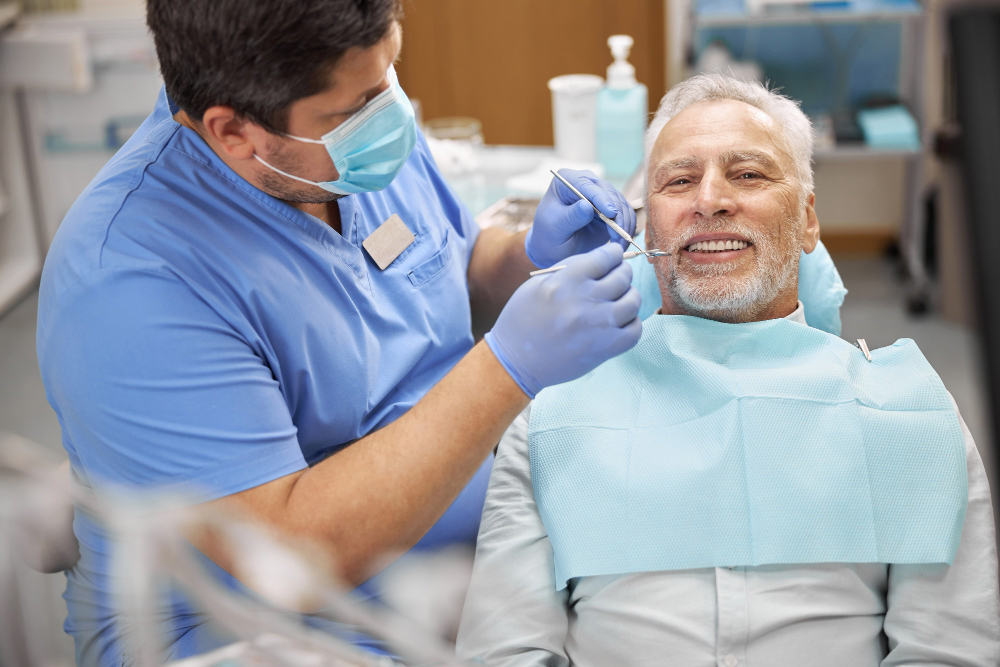
Full mouth rehabilitation is a dental treatment that restores both oral function and smile aesthetics. This process, also called complete oral restoration or dental reconstruction, helps people with many dental problems. For example, it can improve chewing, speaking, and the look of your smile. Because it combines different dental procedures, full mouth rehabilitation offers a fresh start for your oral health. If you want a smile makeover or need major dental work, this treatment may be right for you.
What Is Full Mouth Rehabilitation?
Full mouth rehabilitation is a plan that rebuilds or replaces all teeth in the upper and lower jaws. Often, it uses a mix of dental treatments. For instance, dentists may use crowns, bridges, dental implants, or veneers. Each plan is unique and designed for your needs. In addition, the goal is to restore both how your mouth works and how your smile looks. This approach is sometimes called a smile restoration or dental reconstruction.
Who Needs Full Mouth Rehabilitation?
Not everyone needs full mouth rehabilitation. However, some people benefit more than others. You may need this treatment if you have:
Sometimes, people who have had accidents or injuries also need full mouth rehabilitation. If you have trouble eating, speaking, or smiling with confidence, this treatment could help.
Common Causes for Needing Full Mouth Rehabilitation
There are several reasons why someone might need full mouth rehabilitation. For example, common causes include:
Additionally, some people have dental problems from years of neglect or health issues. According to the World Health Organization, untreated dental issues can lead to pain and trouble eating or speaking. Therefore, early treatment is important.
Key Steps in the Diagnosis Process
Before starting full mouth rehabilitation, your dentist will do a thorough exam. The process often includes:
After gathering this information, your dentist will create a step-by-step treatment plan. This plan is tailored to your needs and may involve several dental specialists.
Treatment Options and Procedures
Full mouth rehabilitation uses many dental procedures. Some common treatments include:
Sometimes, your dentist may suggest root canal therapy or extractions. Each step is planned to restore both function and aesthetics. Because every mouth is different, your treatment plan will be unique.
Benefits: Oral Function & Smile Aesthetics
Full mouth rehabilitation offers many benefits. For example, it can:
Moreover, a healthy mouth can improve your overall well-being. According to the Centers for Disease Control and Prevention, good oral health is linked to better general health.
Recovery and Aftercare Tips
After full mouth rehabilitation, you will need some time to heal. However, most people return to normal activities quickly. To help your recovery:
With proper care, your new smile can last for many years. If you have questions, always ask your dental team.
Prevention and Long-Term Maintenance
To keep your mouth healthy after rehabilitation, you should:
In addition, regular dental care helps prevent future problems. Good habits protect your investment in your smile makeover.
If you are considering full mouth rehabilitation, consult a qualified dentist at OrthoRoot Multispecialty Dental Clinic to discuss if it is right for you. A healthy, confident smile may be closer than you think.