When you lose a tooth, you may wonder about the best way to restore your smile. Dental Implants vs Bridges vs Dentures are common tooth replacement options. Each choice has its own pros and cons. In this blog, you will learn about dental implants, bridges, and dentures. You will also discover which option may suit your needs best. Our goal is to help you compare missing teeth solutions and make an informed decision.
What Are Dental Implants?
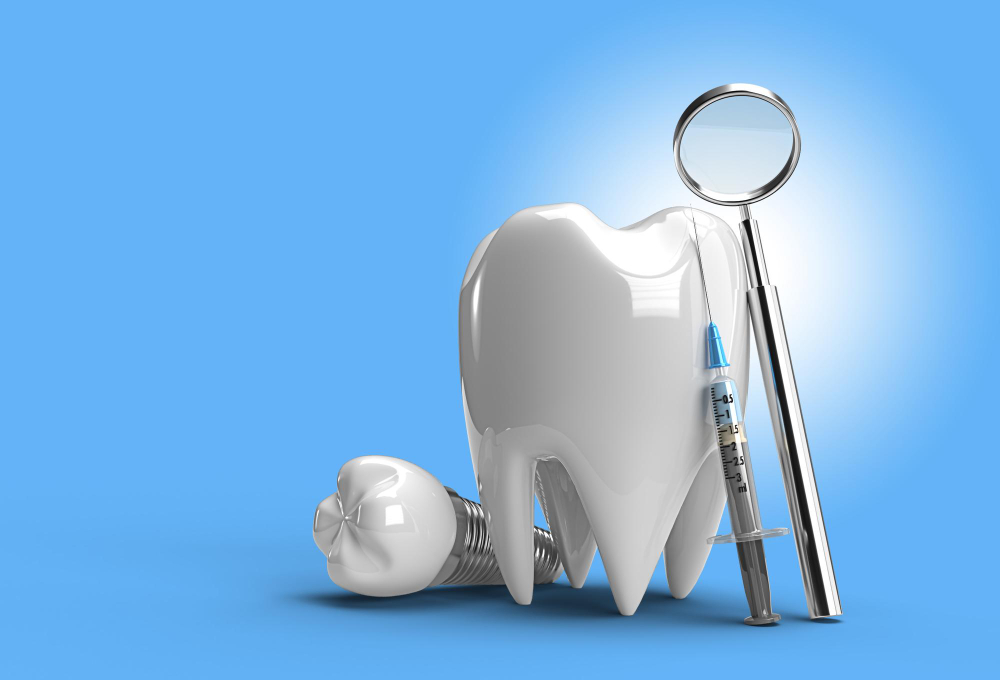
Dental implants are artificial tooth roots made of metal, usually titanium. Dentists place them into your jawbone during a minor surgery. After the implant heals, a crown (artificial tooth) is attached. This creates a strong, natural-looking tooth replacement.
Dental implants offer many benefits. For example, they look and feel like real teeth. They also help keep your jawbone healthy. However, the process can take several months. Some people may need extra bone support before getting implants.
What Are Dental Bridges?
Dental bridges are fixed false teeth. They fill the gap left by missing teeth. Dentists use the teeth next to the gap as anchors. A bridge is made of one or more artificial teeth joined to crowns on these anchor teeth.
Bridges can restore your smile quickly. They do not require surgery. However, the dentist must file down healthy teeth to fit the crowns. Over time, bridges may need to be replaced.
What Are Dentures?
Dentures are removable false teeth. They can replace some or all missing teeth. Full dentures replace all teeth in the upper or lower jaw. Partial dentures fill gaps when you still have some natural teeth.
Dentures are often more affordable than other options. They are easy to remove and clean. However, they may feel less stable. Some people need time to get used to them.
Comparing Dental Implants, Bridges, and Dentures
Choosing between dental implants, bridges, and dentures depends on several factors. Below is a simple comparison to help you decide:
How to Choose the Right Tooth Replacement Option
There are several things to consider when choosing a tooth replacement. First, think about your oral health. If your jawbone is healthy, implants may be a good choice. However, if you have gum problems, dentures or bridges might work better.
Next, consider your budget. Implants cost more but last longer. Dentures and bridges are less expensive but may need replacement sooner. Also, think about your lifestyle. If you want a fixed solution, implants or bridges are best. If you prefer something removable, dentures may suit you.
Finally, always ask your dentist for advice. They will look at your mouth and suggest the best dental restoration for you.
Frequently Asked Questions
Conclusion
Missing teeth do not have to affect your smile, confidence, or everyday comfort. Dental implants, bridges, and dentures offer different solutions based on your oral health, number of missing teeth, and individual needs. A professional dental evaluation can help determine which option is most suitable for you. With the right treatment and proper care, you can regain a healthy, functional, and confident smile.
Restore your smile with the right tooth replacement option. Consult OrthoRoot Multispecialty Dental Clinic for personalized guidance on dental implants, bridges, and dentures.