
What Is a Dental Implant?
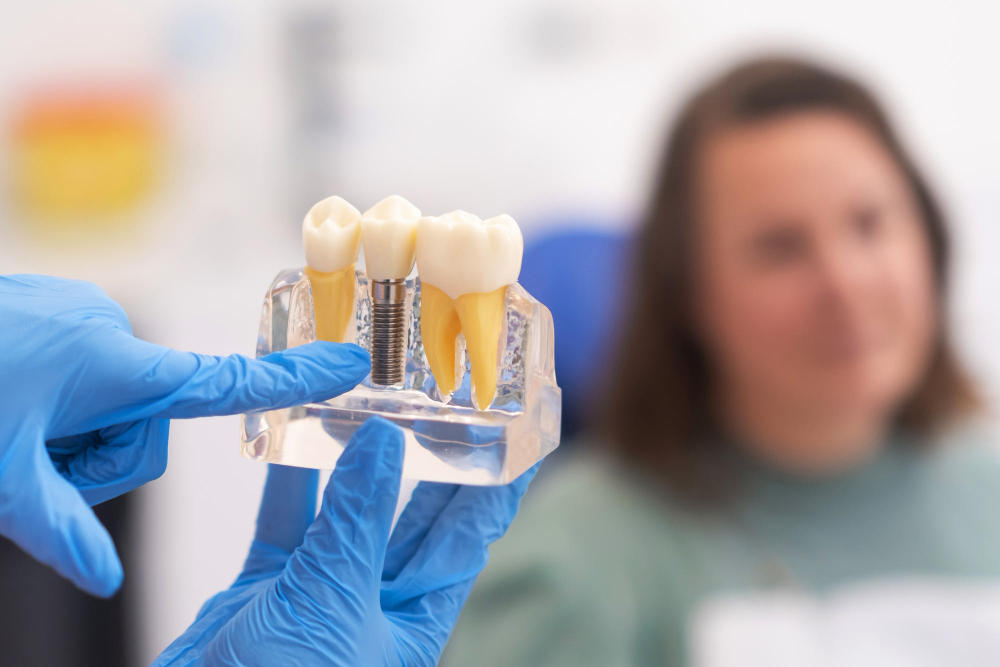
A dental implant is a small metal post that replaces a missing tooth root. Dentists place it into your jawbone. After healing, they attach a crown, which looks and feels like a real tooth. Because dental implants are strong and stable, they offer a permanent tooth replacement solution. Many people choose this option for a natural-looking smile.
Symptoms and Problems Caused by Missing Teeth
Missing teeth can cause several issues. For example, you may find it hard to chew food. Sometimes, speech becomes unclear. In addition, gaps can make you feel self-conscious. Over time, nearby teeth may shift. This can lead to bite problems or jaw pain. Also, missing teeth may cause bone loss in the jaw. As a result, your face shape can change.
Causes of Tooth Loss Leading to Dental Implant Need
Many factors can cause tooth loss. Common reasons include:
Because these issues can affect anyone, dental implants are a popular choice for permanent tooth replacement.
How Dental Implants Work: Procedure Overview
The dental implant procedure happens in several steps. First, your dentist checks your mouth and jawbone. If you are a good candidate, they place the implant into your jaw. Next, you wait a few months for the bone to heal around the implant. This process is called osseointegration. After healing, the dentist attaches a small connector, called an abutment. Finally, they place a custom-made crown on top. The new tooth matches your other teeth in color and shape. Most people find the dental implant procedure safe and effective.
Benefits of Dental Implants as a Permanent Tooth Replacement Solution
Dental implants offer many benefits. For instance, they:
Because dental implants are fixed in place, you do not need to remove them. According to the American Academy of Implant Dentistry, dental implants have a high success rate and can last over 20 years or more.
Risks and Considerations
Although dental implants are safe, some risks exist. For example, infection can occur at the implant site. Sometimes, the implant may not bond with the bone. In rare cases, nerve damage or sinus problems may happen. However, most people have no serious issues. Your dentist will check your health and bone strength before starting. If you smoke or have certain health conditions, your risk may be higher. Always discuss your medical history with your dentist.
Aftercare and Lifestyle Guidance
Proper care helps your dental implant last longer. Here are some tips:
Because good oral hygiene is key, your implant can last a lifetime. If you notice pain or swelling, contact your dentist right away.
Prevention of Tooth Loss
Preventing tooth loss is important. You can protect your teeth by:
Because early care prevents many dental problems, you can lower your risk of needing a dental implant in the future.
Conclusion
Dental implants are a strong, long-lasting solution for missing teeth. They look and feel natural, and they help you eat and speak with ease. If you want a permanent tooth replacement, dental implants may be right for you. Consult a dental specialist at OrthoRoot Multispecialty Dental Clinic to find out if dental implants are right for you.